Building credit can feel like trying to climb a ladder with missing rungs. You know where you want to go—better interest rates, approval for a mortgage, financial stability—but getting there is the hard part.
If you have less-than-perfect credit, you’ve probably noticed that the options available to you aren’t exactly glamorous. Many cards come with sky-high security deposits or predatory terms that make it harder, not easier, to get ahead.
That’s where the Sparrow credit card enters the conversation. It markets itself as a tool for the “overlooked and underserved,” promising a clearer path to financial freedom. But marketing slogans are one thing; reality is another.
I’ve spent years analyzing credit products designed for rebuilding finances. In this guide, we’re going to peel back the layers of the Sparrow Rewards Mastercard. We’ll look at the fine print, the fee structure, and the actual user experience to help you decide if this card is the right tool for your financial toolbox.
What is the Sparrow Credit Card?
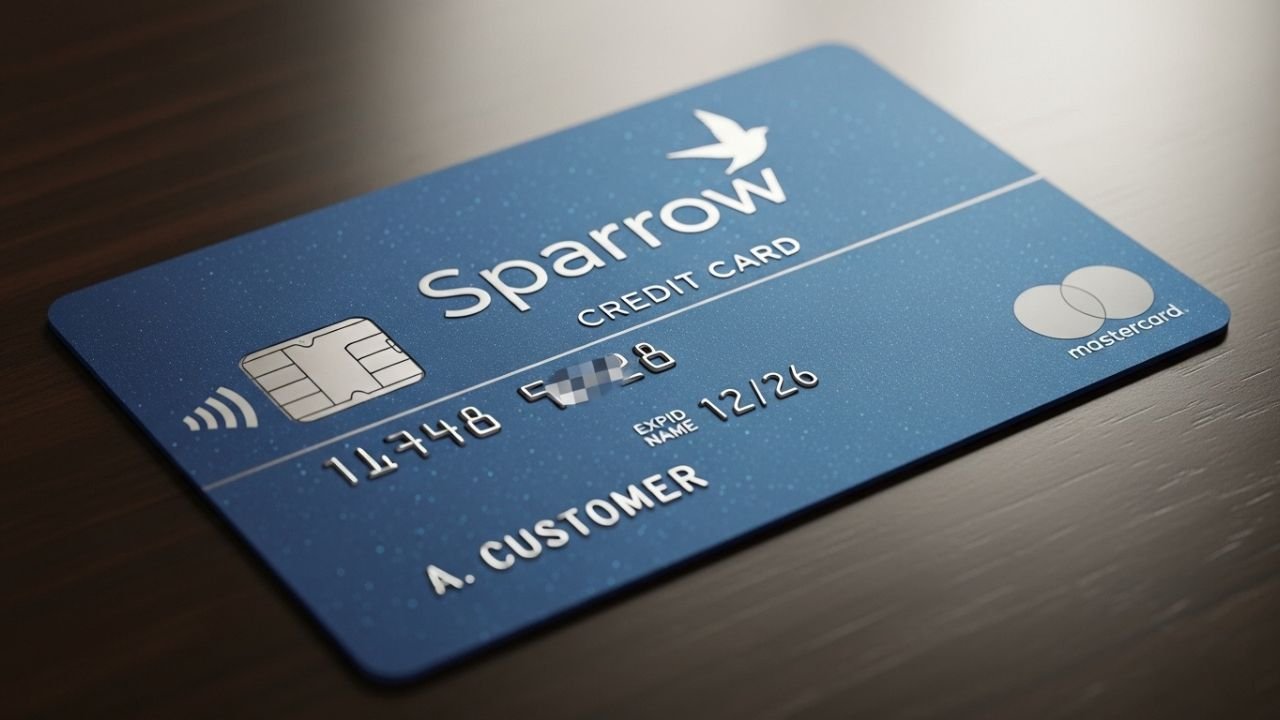
The Sparrow Rewards Mastercard is a credit card issued by Evolve Bank & Trust. Unlike the premium cards you see advertised during the Super Bowl, this card isn’t targeting high-rollers with 800+ credit scores. Instead, it is specifically designed for people who are rebuilding their credit or starting from scratch.
It’s an unsecured credit card, which is a significant distinction. Many credit-building cards require you to put down a cash deposit (a secured card) to open the account. Sparrow doesn’t require a deposit. Instead, they charge an annual fee to offset the risk of lending to people with lower credit scores.
The goal of the card is straightforward: give people access to a credit line, report their payments to the credit bureaus, and help them improve their credit scores over time.
Key Features and Benefits
While the primary function of this card is credit building, Sparrow has included a few features to sweeten the deal. Let’s break down what you actually get.
Cashback Rewards for On-Time Payments
It is rare to find rewards programs on subprime credit cards, but Sparrow offers a unique twist on the concept. You earn 1% cashback, but there is a catch: it is specifically for making on-time payments.
This is actually a clever design. Most rewards cards incentivize spending (earn 2% on groceries, for example). Sparrow incentivizes the behavior that actually helps your credit score: paying your bill. By tying the reward to the payment rather than the purchase, they are encouraging good financial habits.
Credit Line Growth
One of the biggest frustrations with credit-building cards is getting stuck with a low limit forever. A $300 limit makes it hard to keep your utilization low. If you spend $150 on groceries, you’ve already used 50% of your limit, which can hurt your credit score.
Sparrow addresses this with a policy for credit limit increases. They review accounts regularly, and responsible usage—meaning paying on time and not maxing out the card—can trigger an automatic credit limit increase. This is crucial for long-term credit health because a higher limit generally lowers your utilization ratio.
Financial Education
The app includes educational resources designed to demystify the credit scoring “game.” While many banks offer generic blog posts, Sparrow attempts to provide a more guided roadmap. For someone new to credit, understanding why a score dropped or rose is just as important as the score itself.
Mobile App for Account Management
Modern banking requires a solid app. The Sparrow app allows for standard features: tracking spending, scheduling payments, and managing card controls (like freezing the card if it’s lost). The interface is user-friendly, which is essential when you are trying to stay on top of payment due dates.
Fees and Costs
This is the section you need to read most carefully. Credit-building cards are expensive products to run, and the costs are passed down to you.
Annual Fees
The Sparrow card is not free. The fee structure is currently:
- $59 for the first year
- $99 annually for subsequent years
After the first year, that $99 fee is billed monthly at a rate of $8.25. While $8.25 a month might sound manageable, you need to calculate if that cost is worth the trade-off of not having to put down a $200 or $300 security deposit on a different card.
Interest Rates
Like almost all cards in this category, the APR (Annual Percentage Rate) is high. If you carry a balance from month to month, the interest charges will accumulate quickly.
Pro tip: The best way to use this card is to pay the balance in full every single month. If you do that, the interest rate becomes irrelevant because you never pay it.
Transparency
To their credit, Sparrow makes a point of having “no hidden fees.” You won’t find random maintenance charges or application fees hidden in the fine print. The cost of entry is clear, even if it is a bit steep compared to no-annual-fee secured cards.
Eligibility and Requirements
Who actually gets approved for this card? Sparrow uses “alternative data” to approve users who might be rejected by Chase or American Express.
Credit Score
Data suggests the average credit score for approved Sparrow members sits around 561. This places the card firmly in the “Poor” to “Fair” credit category. If your score is in the 500s, you are their target audience.
Income and Utilization
You don’t need a six-figure income to apply. The average income of members is roughly $72,000, but approval is possible with significantly less. What matters more is your debt-to-income ratio. The issuer wants to see that you have enough disposable income to handle the monthly payments and the annual fee.
Application Process
The application is digital and fast.
- Prequalification: You can usually check if you are likely to be approved without a “hard pull” on your credit report. This is vital because you don’t want to damage your score just to see if you qualify.
- Verification: You’ll need to provide standard ID verification (SSN, address, income info).
- Decision: Most decisions are instant.
User Reviews and Ratings
When you look at what real people are saying on forums and review sites, the feedback is a mixed bag—which is typical for this sector.
Positive Feedback
- Access: Many users are simply grateful to be approved for an unsecured line of credit after facing repeated rejections elsewhere.
- The App: Users generally find the app easy to use and appreciate the payment reminders.
- Credit Reporting: Users confirm that the card reports to all three major credit bureaus (Equifax, Experian, TransUnion), which is the primary requirement for a credit-building tool.
Criticisms
- The Fee Increase: The jump from $59 to $99 after the first year is a common complaint. Many users plan to use the card for one year to boost their score and then cancel before the higher fee kicks in.
- Low Starting Limits: Some users are disappointed to be approved for limits as low as $300, though this is standard for the industry.
How Does the Sparrow Credit Card Compare?
Is Sparrow the best bird in the sky? Let’s look at the competition.
Competitors
Sparrow vs. Secured Cards (e.g., Discover it® Secured)
A secured card like Discover it® has no annual fee, but requires a deposit (usually $200).
- Winner: Discover if you have the cash for a deposit. Sparrow if you absolutely cannot tie up $200 in a deposit.
Sparrow vs. Credit One
Credit One is a direct competitor offering unsecured cards for bad credit. They often have complicated fee structures where fees are billed immediately, reducing your available credit.
- Winner: Sparrow generally wins on transparency. Their fee structure is simpler and less likely to catch you off guard.
Unique Selling Points
Sparrow’s main advantage is that it is an unsecured card with decent transparency. It sits in the middle ground: better than predatory fee-harvester cards, but more expensive than secured cards from major banks.
Is the Sparrow Credit Card Right for You?
Who Should Consider It?
You should consider the Sparrow card if:
- Your credit score is between 500 and 600.
- You have been rejected for secured cards or standard credit cards.
- You do not have the spare cash to put down a $200+ security deposit.
- You are disciplined enough to pay the balance in full every month to avoid interest.
Who Should Look Elsewhere?
Skip this card if:
- You can afford a security deposit. A no-annual-fee secured card is almost always a cheaper way to build credit.
- You have “Good” credit (670+). You qualify for better cards with better rewards and no annual fees.
- You plan to carry a balance. The interest rate will hurt you financially.
FAQs About the Sparrow Credit Card
What is the credit limit on the Sparrow card?
Limits typically start between $300 and $1,000, depending on your credit profile. Sparrow reviews accounts for potential increases regularly.
Does the Sparrow card require a credit check?
Yes. While they may offer a “soft pull” for pre-qualification, completing the application will result in a hard inquiry on your credit report.
Can I get a cash advance with the Sparrow card?
Terms vary, but generally, cash advances are possible. However, they are highly discouraged due to expensive fees and immediate interest accrual.
Is Sparrow a legit credit card?
Yes. It is a legitimate Mastercard issued by Evolve Bank & Trust, a member of the FDIC. It can be used anywhere Mastercard is accepted.
How do I cancel my Sparrow credit card?
You can cancel by calling the customer service number on the back of your card. Be sure to pay off any remaining balance before closing the account.
Final Thoughts
The Sparrow credit card serves a very specific purpose in the financial ecosystem. It is a stepping stone. It is not a card you hold onto for a decade; it is a tool you use for 12 to 24 months to prove to the credit bureaus that you are trustworthy.
If you use it correctly—paying on time, every time, and keeping your balance low—the fees can be viewed as an investment in your future credit score. Once your score improves, you can “graduate” to cards with better perks and lower costs.
Financial freedom is a journey, not a sprint. Tools like Sparrow can help you get back on the track, provided you read the map carefully.